
Inman Connect San Diego kicks off this Wednesday, and it’s where the real estate industry will be this week. From market strategy to tech innovation, this is your chance to get in the room with the leaders driving change. Secure your spot before it’s too late.
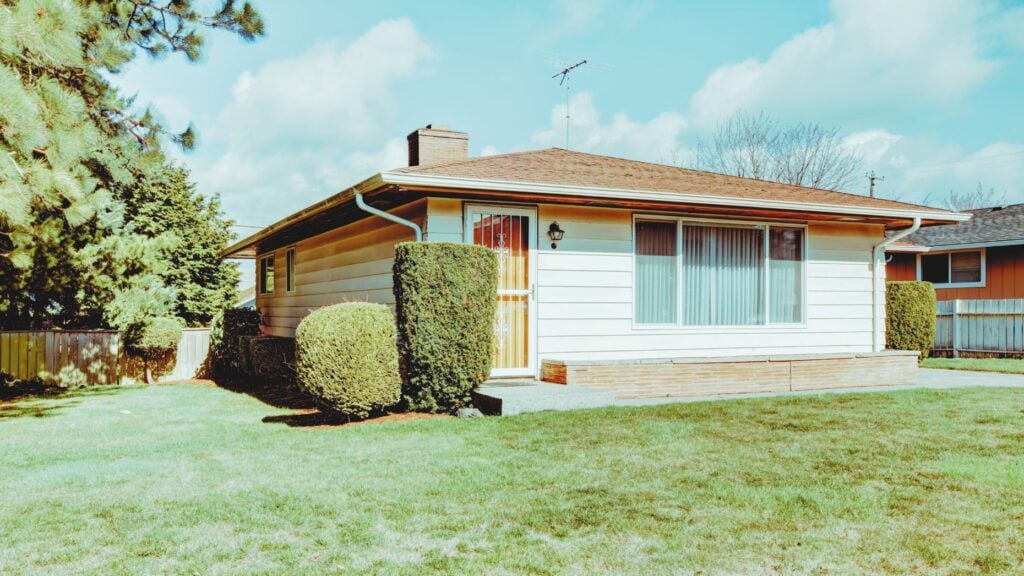
In a reversal from recent years, first-time homebuyers are gravitating toward older and smaller homes to serve as their starter home, rather than new construction pads on the edge of town.
TAKE THE INMAN INTEL SURVEY FOR JULY
As land costs, building materials prices and low supply have put pressure on the market, the cost of new construction homes is more often out of reach for first-time buyers, a new report from Cotality reveals.
“The starter home has effectively aged out,” Thom Malone, a Cotality economist who authored the report, said in the document. “What used to be a new build on the edge of town is now a decades-old listing — often smaller, still pricey and receiving fierce competition. First-time buyers are priced out by high mortgage rates or lack of supply.”
As of April, new construction homes cost a median of $430,000, a figure that has dissuaded many first-time buyers, since many also require a 20 percent cash down payment. During the first four months of 2025, new-home sales declined more than 20 percent per month, according to Cotality. New-home sales now comprise 12 percent of all home sales, down from 16 percent in early 2024.

Courtesy of Cotality
That difference in sales has also been reflected in home prices, Cotality’s report said, with existing home sales appreciating 11 percent since 2023 as new-home sales have only appreciated 6 percent.
New construction homes are typically built to span about 2,000 square feet, which can create extra costs because of more materials and land and pricier utility bills. Rather than pay extra for these features, buyers are opting for those smaller, older properties that will help them save a buck.
“I’m seeing a noticeable shift toward older homes as today’s version of the starter home,” Libby McKinney-Tritschler of Team AFA/William Raveis in Southport, Connecticut, told Realtor.com. “For many dual-income households, the idea of a smaller, more manageable space is a lifestyle choice, too. They’re not interested in spending weekends maintaining big houses or oversized properties.
“Buyers are telling me they’re looking for something at a price point that feels within reach, and older homes offer that opportunity,” she added.
As more first-time buyers compete for older homes while avoiding the costs associated with new construction, some are opting to rent longer, which is putting pressure on rents. In the last year, rents rose 3.7 percent, according to Cotality.
Still, there is some positive news that even buyers with more limited purchasing power are continuing to transact in this market. According to a new report from Redfin, sales of starter homes — which the company categorizes as those between the 5th and 35th percentile of the market, currently at a median sale price of $260,000 — increased nearly 4 percent in June to its highest rate in two years.
Meanwhile, sales of mid-priced homes ticked down by 0.9 percent year over year in July and sales of high-priced homes dropped by 3.6 percent year over year.
“In a market where it’s difficult for most Americans to afford a dream home, many are turning toward starter homes,” Redfin Senior Economist Sheharyar Bokhari said in Redfin’s report. “They’re typically smaller and more modest, but starter homes remain within reach for some buyers who have been priced out of higher tiers.”


