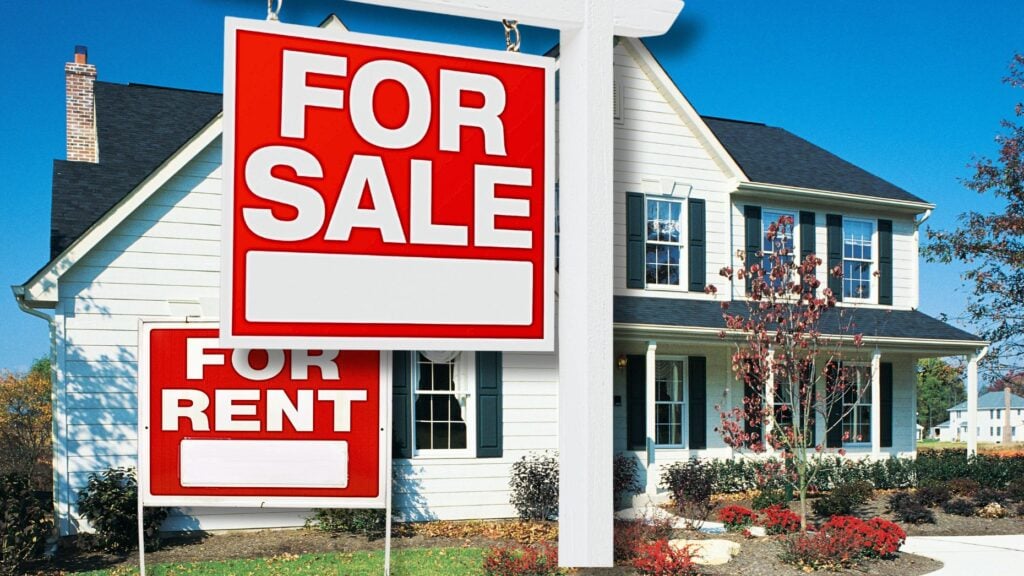

Selling a property in today’s market is tough enough, but selling a property with tenant(s)? That could be mission impossible in many respects, depending on what kind of property it is, where it’s located and the kind of tenant(s) you as an owner are dealing with.
While selling a property with tenants living in it is never a walk in the park, here are four things you need to know and what you can do to help make the process more palatable:
1. Tenants can make or break a home sale
Tenant-occupied properties often tend to stay on the market longer than those that are owner-occupied or vacant. A minimum of 24-hour advance notice is required in most cases to show (unless the tenant otherwise agrees), and there may be other limitations regarding times and/or days that the property can be shown.
Their willingness to cooperate or not can have a huge impact on the property’s salability. They may not want a sign on the property, lockboxes or broker and public open houses.
There may be too much liability involved with hosting open houses on a tenant-occupied property with respect to their belongings. It doesn’t take much for a tenant to blame you as the agent when something goes amiss. Make sure you have documentation, whatever is required in your market for their consent, signed.
2. Timing
Timing is everything in real estate, and in better markets, it was easy to put a tenant-occupied property on the market with 30-60 days left in their lease. Today, not so much. You may need to put the property on the market several months ahead of the tenant’s lease expiring. But the possibilities may depend on what the tenant(s) are willing to allow and whether the lease(s) have any restrictions regarding that.
If the owner can afford the carrying costs of the property once the tenant has moved out and the property is vacant, that will give you more flexibility. Once the property is vacant, the speed to sale may significantly increase.
3. Leases, logistics and lockboxes
If the property is a multi-unit property, having tenants may be beneficial depending on the amount of rent the tenant(s) are paying. On the other hand, a buyer may want to clean house and start fresh, because in many cases, tenants may be paying below market rents and the math may not “math” as far as cash flow, taking into account other expenses based on a new selling price.
You will want to review the leases with the owner to fully understand all terms, including if any are month-to-month, and get a full account of the amounts tenants are paying, security deposits on file, etc.
You can typically expect a lot of logistics when it comes to arranging showings on tenant-occupied properties. As mentioned above, showings tend to require at least 24-hour notice at a minimum, and tenants love to put restrictions on showings during certain days and times.
This often becomes an exercise in fitting a round peg into a square hole. Expect to not be able to accommodate showing requests because of it. Especially the highly motivated buyer who can pay cash or is solidly qualified. Or if they are coming into town specifically to buy. The property won’t be available to show when they come in, so there will be an element of lost opportunities.
As for lockboxes? Likely not. Most tenants are highly uncomfortable with a keybox sitting on the front door or in some location on the property. They want to be in total control of access to the house; expect some showing gymnastics. Be prepared to be present for showings, or the tenant will need to let them in.
4. Get a grip
When a seller reaches out about selling their investment property, do a deep dive with them about the state of the property:
- When was the last time they saw it?
- What is the condition like?
- Is there anything they are aware of that needs to be repaired or replaced?
- Are there any components that could affect the ability to get insurance, like an older roof, water heater or plumbing that needs to be replaced?
This may depend on your market.
Not to mention the new appraisal changes transpiring with regard to the Uniform Appraisal Dataset (UAD 3.6) that requires an appraiser to note the age and condition of major components in the house as well, which may cause a lender’s underwriter to take note.
Coordinate seeing the property as soon as possible with the owner or a property manager. You will want to do a detailed walkthrough, noting property condition. Be aware that all may not be visible with the tenant’s belongings. If closets and/or garages are packed, you may not be able to get the full picture. Furniture and rugs could be covering up wear/tear and/or damage.
Take note if the property has any odors (particularly from pets), cooking, lack of ventilation from opening up windows, etc. If the tenant is there during your tour, you may get an earful about things that don’t work. Take photos to document the property both inside and outside so you can see if anything needs attention.
Do a thorough walk around the outside as well. Note any issues with the property’s exterior, landscaping and trees. Is the yard in need of attention as well as the landscaping? Any overgrown trees and bushes that need to be cut back or removed?
As an agent working with a tenant-occupied property, you need to keep your wits about you at all times. There are likely going to be many logistical issues to navigate as you embark on the selling process. You have to accept that the listing may not look its best in photos, or you may only be able to have minimal photos taken of the property, depending on the tenant’s willingness to cooperate and what the property looks like.
It may not show well, and you could be running interference with challenges to access the property. Understand that the process may not be perfect, and you will have to roll with the punches as they come.
Coming Friday: Cara Ameer shares strategies to help sellers prepare to sell their tenant-occupied property.


