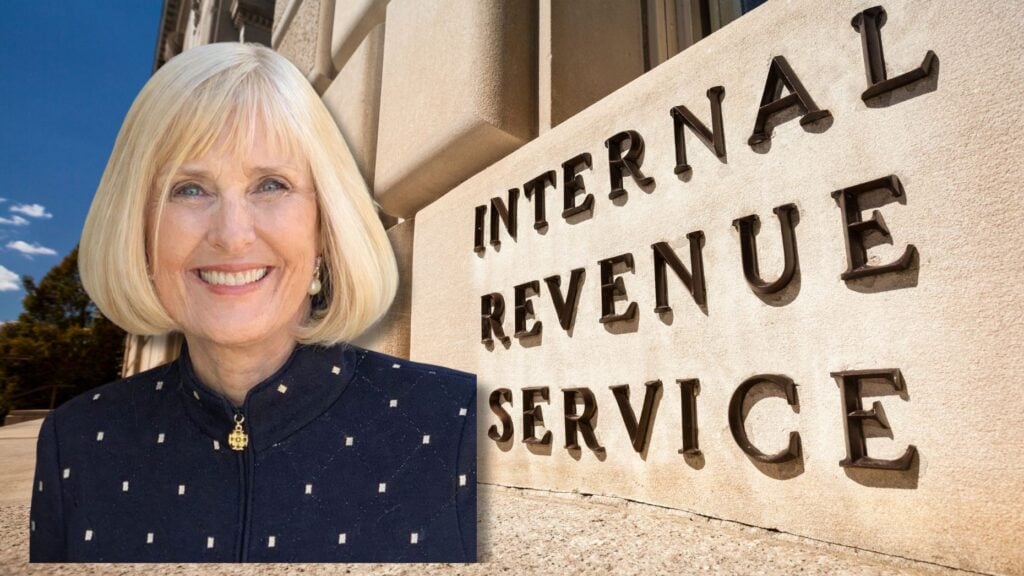

With April 15 lurking just around the corner, there’s no better time than now to sharpen your pencil to make sure you pay the IRS as little as possible in taxes. Here are my top 10 income tax strategies for agents looking to reduce their tax bill.
CAVEAT: Always check with your CPA or tax professional which strategies are applicable in terms of your specific tax situation.
10 hot income tax strategies for 2026
1. Qualified Business Income (QBI) deduction
The 20 percent QBI deduction is one of the hottest topics on social media this tax year. There are some requirements, however, that can quickly disqualify you if you don’t follow them carefully.
- If you’re working in real estate full-time and have earned under the maximum allotted by the IRS, you can take this deduction. If you’re a part-timer or have another job (real estate is a “hobby”), it’s unlikely that you will be eligible to use this deduction.
- Accurate record keeping is crucial, especially if you’re filing a Schedule C rather than a business return. This includes receipts for all business expenses, including canceled checks, credit card statements and a log for your business mileage.
- Build a firewall between your business and personal expenses — this is an absolute must. This includes keeping separate checking accounts, credit cards and tracking for business versus personal expenses. If you don’t follow this, it can create major issues and even lead to an audit or disallowance of your business deductions.
2. The home office deduction
I’ve run my company virtually since 1998. Having a home office allows me to take extra deductions that I was unable to take when I worked from my broker’s office daily. What’s crucial is that you use your home office exclusively for your business. Where you can get into trouble is using a room such as bedroom or dining room that is used for purposes other than your business.
The formula my CPA advised me to follow in claiming this deduction was to measure the square footage devoted exclusively to my office. In my case, my husband and I both had separate offices that constituted about 17 percent of our total square footage. That has enabled us to deduct 17 percent of all our utilities, home insurance, phone, internet, cable, etc., that are used for our business.
I also just installed a new wall unit (a capital improvement) for my podcasts and anticipate being able to depreciate that for 2026. Always check with your CPA about what is allowable in any given tax year.
3. Vehicle mileage deduction
First and foremost, you must accurately track how many business miles you actually drove in any given year. You can take your vehicle costs in two different ways. The first strategy calculates all your costs, then you make the deduction based on the percentage of miles driven.
In my case, because my husband and I both used our cars for business and I had depreciated mine out, our CPA set us up with a five-year depreciation schedule for his car, plus being able to deduct costs for gas, insurance, registration, maintenance, parking, etc.
For my car, I’m taking the IRS standard mileage deduction, which is 70 cents per mile for business and 21 cents per mile for medical.
Here’s a little-known catch most agents don’t know about. If you’re driving from your home to your real estate office, my CPA advised me that the IRS considers that to be personal, not business. If you make a business stop first, however, such as dropping off brochures for an open house, the entire trip is deductible.
In terms of tracking your miles, you can track them in a mileage log you keep in your car, where you enter the mileage daily along with the reason for the trip (client’s name, offer presentation, physical inspection, etc.) Alternatively, you can use mileage trackers such as MileIQ, Everlance or Driversnote to track miles for you. You still must track the business purpose.
4. Marketing and advertising expenses
Marketing is always one of the best sources of deductions for active real estate professionals. Whether it’s agent swag with your branding, print or digital marketing campaigns, a professional photographer, videographer, etc., these are straight deductions against your business income. Track every penny because these costs add up.
5. Section 179 equipment deduction
New computers, cameras, drones, lights and any other equipment you use for business purposes can often be taken as an expense in the year of purchase rather than having to depreciate them over time. A smart move is to check your income and expenses in November. If it looks like you need more deductions, December can be a great time to purchase these items and take the deduction in that tax year.
6. Continuing education and licensing fees
Not only can you deduct your license renewal, CE classes and designation courses, you can also write off the cost of any business-related classes you take, books, conference fees, plus travel and hotel costs as well. This is a great way to maintain your edge and get a tax write-off at the same time.
7. Retirement plan contributions
IRAs are an important way to shelter part of your income. Two of the most popular are SEP-IRA and Solo 401(k) plans. According to Mercer Advisors, “For 2025, real estate agents (self-employed) can contribute up to $70,000 to a SEP IRA (or 25 [percent] of net earnings) or a Solo 401(k) ($70,000 total, including up to $23,500 in employee deferrals). Solo 401(k) plans allow higher catch-up contributions ($7,500–$11,250) for agents over 50 and offer Roth options.”
This money grows tax-deferred, and your contributions directly reduce your taxable income. Again, check with your CPA to determine if this is a good fit for your personal tax situation.
8. Self-employed health insurance deduction
Many agents are paying thousands of dollars a year for health insurance. Self-employed individuals can deduct up to 100 percent of their health, dental, and qualified long-term care for themselves, their spouses and dependents. The good news is that you can still use this deduction even if you take the standard deduction.
9. Why you should consider forming an LLC or S-Corp
When I was living in California, I had four major audits within a seven-year period because I was making good money but legitimately had reduced my tax burden to near zero. Three times I won my audit. On the fourth, however, the IRS agent refused to even look at all my receipts. It finally became cheaper to pay the IRS than to keep sending my CPA to meet with the IRS.
The audits went away when we created an LLC in 2007. In 2017, I set up an S-Corp where I’m the only employee. I pay myself a small salary that includes the typical deductions from your paycheck required by law. The good news is that this limits the self-employment tax that I have to pay.
Again, since every person’s tax situation is different and rules differ so dramatically from state to state, bring your CPA or real estate/tax attorney into this discussion at the very beginning so you can choose the best structure for your business.
10. Professional fees and record-keeping tools
CPA fees, tax software and bookkeeping apps are also another important source of deductions. In addition to these fees that are fully deductible, so are the costs of having an in-house or virtual assistant, fees for business coaching, payments you make to other agents for conducting open houses, etc.
Use these income tax strategies to determine where you are paying the IRS more than you should. Every strategy you’re not using is costing you real money that can make the difference in the quality of both your business and your personal life. Start with the two or three strategies that fit with how you conduct your business, review with your CPA, and then start building those deductions now.
Bernice Ross is president and CEO of BrokerageUP and RealEstateCoach.com, the founder of Profit.RealEstate and a national speaker, author and trainer with over 1,500 published articles.


