
Brokerage storefronts have long been treated as branding tools. Window displays, listing boards and high-visibility signage are meant to capture local attention. But a new push from Smartify Media suggests those spaces may be evolving into something far more valuable: full-fledged media channels.
The Miami-based digital out-of-home and retail media network announced Thursday that it is expanding its presence in residential real estate through new partnerships with First Team Real Estate, Seven Gables Real Estate and West + Main.
The deals extend Smartify’s footprint across California and Colorado, adding to a broader national network that now spans more than 40 U.S. markets.
Turning offices into media assets
At the center of Smartify’s strategy is a simple idea: brokerage offices sit in high-traffic, high-intent environments, and that attention can be monetized.
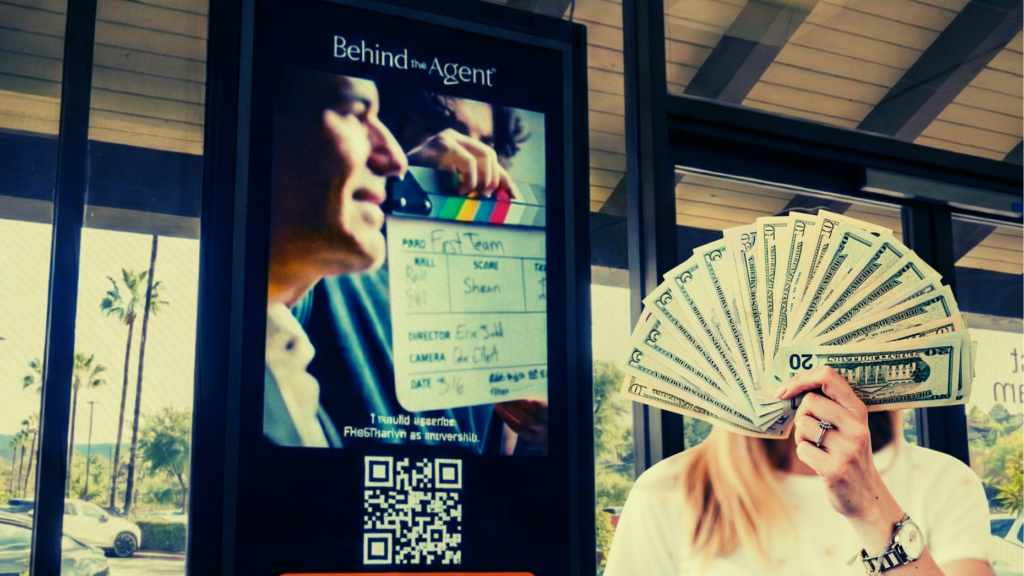
By installing digital screens in storefront windows and office interiors, Smartify allows brokerages to display dynamic content in real time, replacing static signage with programmable, data-driven messaging. But beyond marketing listings or agent branding, those screens also connect to a broader advertising network.
That effectively turns each office into a node in a distributed media system that can serve both local brokerage content and paid advertising from outside brands.
“Luxury real estate offices are evolving into high-value media environments,” Smartify CEO Joe Kunigonis said in a statement. “Our platform transforms storefronts into premium media channels, helping brokerages elevate their brand, engage buyers, and promote agents more effectively, while extending their reach across a national out-of-home network.”
A dual play: earn revenue while expanding reach
For brokerages, the pitch goes beyond aesthetics or operational efficiency. It’s about unlocking new revenue.
By participating in Smartify’s network, offices can generate income through advertising placements while also extending their own brand reach beyond their physical locations.
Campaigns can run across multiple Smartify-enabled sites — including other brokerages, retail centers and outdoor formats — creating a broader distribution channel for both real estate and non-real estate advertisers.
That dual benefit — monetization plus amplification — is increasingly appealing in a market where margins are under pressure, and firms are looking for alternative income streams.
“Smartify has delivered a true omni-channel system,” said Lauren Henss, VP of Marketing & Strategic Initiatives at First Team Real Estate. “Digital out-of-home drives 86 percent ad recall, two to three times higher engagement versus static signage, and measurable lifts in brand perception, foot traffic, and purchase intent.”
Chasing high-intent audiences
The model also reflects a shift in advertising toward context-driven placements that reach consumers in moments when they’re already primed to make decisions.
In this case, brokerage offices offer access to a particularly valuable audience: high-income, purchase-ready consumers actively engaged in real estate transactions.
Smartify’s network extends beyond office locations to include environments like luxury retail corridors, EV charging stations and outdoor kiosks. This allows advertisers to follow those audiences across multiple touchpoints.
That kind of omnichannel, real-world targeting is becoming a key differentiator in the increasingly crowded digital advertising landscape.
Extracting more value from physical assets
Smartify’s expansion taps into a trend across proptech and brokerage operations: the push to extract more value from physical assets.
From data monetization to ancillary services, real estate firms are increasingly looking beyond commissions to drive revenue. Turning offices into media platforms represents one of the more visible and potentially scalable examples of that shift.
It also raises new questions about the future role of the brokerage office itself.
As more firms embrace remote work and digital-first models, physical locations have come under scrutiny. But if those spaces can double as revenue-generating media assets, their strategic value may be redefined.


