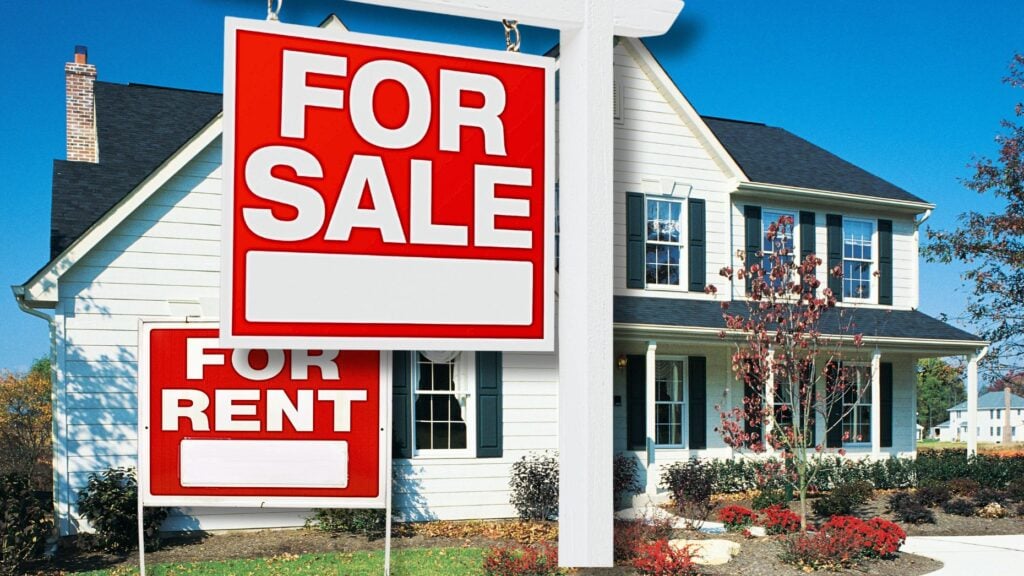

Guiding sellers on how to best prepare to list a property with tenants is critical to having a successful selling experience. There are likely to be obstacles and challenges to work through along the way. Understanding what they are and how to best work through them will help the process go smoother.
Now that we’ve gone over what you need to know about selling a home with tenants, here are five things you should know to help sellers navigate through the process.
Helping sellers list a property with tenants
1. Prep for sale vs. as-is
Consider having a prelisting inspection done on the property so the owner, as well as you, have a handle on the condition as well as any repair issues that may need attention. Some issues may need to be addressed before going on the market, particularly with respect to health and safety.
Be prepared for not being able to approach prep for sale the way you normally would with an owner-occupied property. It may be more difficult to coordinate repairs with tenants.
And speaking of prep for sale, professional photos, video and aerials may be difficult to navigate. Some tenants may be resistant to all being on display, and the property may not show well on the inside. If tenants have a lot of clutter and show no interest or cooperation in making things look presentable for a photo shoot, consider having photos done of the exterior, along with aerials if needed.
Take pictures and any interior video on your phone as an interim solution if you can. You don’t have to post them to the MLS, but you can choose to share them with agents and prospects prior to a showing or have the listing not syndicated to all public websites. This will require a conversation with the owner, but be aware of the various options available, and be prepared to have workarounds.
You’ll want to have some content of the interior to share with interested parties, especially for those motivated buyers that crop up and have limited time to see the property. Having photos/video of the inside to share with them may help facilitate a sale, along with prelisting inspection reports to mitigate the element of surprise. The property will likely be contingent upon inspections and their investigations, but at least it helps you get to Step 1.
2. Set expectations
It’s important to explain the selling process to the tenant, so they understand how the process works. This conversation may need to be done with the owner, or the owner may empower you to communicate the process on their behalf. Don’t assume they know.
Explain how showings and notice for showings work. Discuss what happens once a property goes under contract and what kind of access the buyer will need to do their due diligence. It’s important to advise that buying a property is a fluid process, and things are subject to change.
Work with the owner to determine who will be the point of contact for the tenant. I have found that tenants are more likely to be cooperative when the owner, as their landlord, communicates directly with them about showings and requests for access for inspections, etc.
Ask the tenant how they would like to be communicated with — in writing is always best, whether text and/or email, and request that they confirm receipt of the request.
I recently worked with a tenant-occupied property where the owner communicated with the tenant for all showing and access requests. They never responded back, and it ended up being a very passive-aggressive experience.
Most showings were accommodated except for one with a motivated and serious cash buyer who was denied access to see the property, despite other showings that had also been scheduled and confirmed at the same time. We found ourselves holding our breath a lot when showing notices were communicated to the tenant, not knowing what might happen. Prepare for it to not go as planned or as initially agreed to by the tenant.
The owner should set expectations as to how the property needs to look for showings. While you won’t be able to mandate “show ready” condition, there should be some minimum standards established whenever possible, such as blinds open, lights on, beds made, counters free of clutter, no piles of laundry on the floor, etc.
If the tenant has pets, protocols need to be worked out ahead of time. Under no circumstances should dogs be allowed to roam around unsecured in a property. The tenant needs to be counseled to contain their pet and have them remain in their control at all times or preferably take them out for a walk during the showing.
Several years ago, I attempted to preview a property for a buyer that was tenant-occupied whereby the tenant was gone, but the small dog was left home and was not taking kindly to strangers and attempted ankle bites. I was told it was friendly. I quickly left.
3. Tenant incentives
Talk to the owner about offering tenant incentives for cooperating with the selling process when it comes to showings and access. A slight rent reduction to offset the inconvenience and slightly higher electric bills from having lights on, may go a long way in getting tenant(s) buy-in. Spell out the criteria required for the tenant to receive the rent reduction and what actions would negate it.
4. Manage the move out
Once the tenant is vacating, you’ll need to coordinate with the owner and/or property manager (unless you were also managing the property as a rental) with respect to the tenant’s move-out. You’ll want to ensure that the property was left as it should be in accordance with the lease and the tenant did not leave garbage, debris or unwanted items behind.
You’ll want to stay on top of this so you aren’t dealing with any last-minute surprises if the property is under contract or with showings now that the property is vacant. If still on the market, this is a good time to tackle any needed repairs, cleaning and other items that may make the property more saleable. Consider having new photos and/or video retaken.
Depending on how long the property has been on the market, it may be time to consider a relaunch and relist the property for sale and hosting broker and public open houses to encourage new activity.
5. Price hit
Depending on the property, the market where it is located and the condition, a tenant-occupied home may end up selling for less than it could have commanded otherwise. Prepare your owner for this reality. Buyers can be leery of tenant-occupied properties, especially if it’s an owner-occupant rather than an investor, such as a single-family home or condominium.
They are concerned about the risk of dealing with a tenant who’s difficult or won’t move out by the closing date. Many buyers won’t want to buy a home subject to a tenant’s lease ending several months after going under contract.
Typically, within a 30-60-day timeframe of the lease ending is when they feel most comfortable. If they are obtaining a loan, anything longer than that may trigger a higher rate as it will be considered investment property. Most tenant-occupied properties won’t be as easy to see as owner-occupied or vacant ones.
This can lead to longer marketing times and buyers opting for other options, particularly if there is a lot of inventory on the market. Add that to a challenging market in many areas of the country, and you may need to price the property aggressively to move.
Selling a home with tenants can be riddled with obstacles. Tenants will never have the level of buy-in that an owner-occupied home does, so don’t expect much. Although you want to build a level of connection with them, you have to walk a fine line so you don’t get taken advantage of.
They may use this as an opportunity to complain about the property and all that they felt was wrong with it and attempt to use you as a conduit to get financial compensation. Make it clear what your role is and that your fiduciary is to the owner of the property.
Document everything, overcommunicate, and never assume the tenant got your message or email about a showing or access. If the tenant is making the property too difficult to show, it may be better to take it off the market until the owner resolves the issues with the tenant or they move out.
Many times, difficult tenants are upset because their comfortable living situation has been disrupted and trying to rent something comparable at the same price is extremely difficult, plus the cost of moving. They may express this frustration in various ways while the property is on the market.
Accept that listing a property with tenants may be more hands-on than others. Prepare for the worst, hope for the best. Know that there will likely be bumps in the road, and be prepared to pivot based on the circumstances at hand.
Cara Ameer is a bi-coastal agent licensed in California and Florida with Coldwell Banker. You can follow her on Facebook or on X, formerly known as Twitter.


