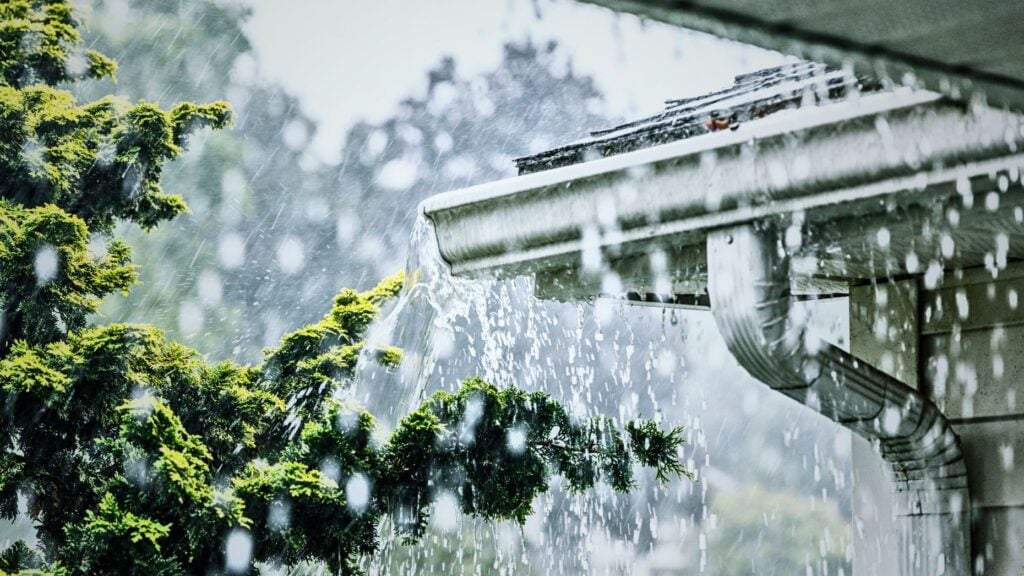

Federal climate forecasters are sounding the alarm about a weather pattern with real implications for real estate professionals and their clients.
TAKE THE INMAN INTEL INDEX SURVEY
NOAA’s Climate Prediction Center has issued an El Niño Watch, placing the probability of El Niño conditions emerging at 82 percent by May–July 2026, with a 96 percent chance the pattern persists through winter 2026–27.
“Climate models are now strongly aligned, and there is high confidence in the onset of El Niño, followed by further intensification in the months that follow,” said Wilfran Moufouma Okia, chief of climate prediction at the World Meteorological Organization.
Historically, El Niño brings above-normal precipitation to the southern U.S., with its heaviest influence running from late fall through early spring, according to NOAA. The conditions that follow — saturated soil, standing water near foundations and overwhelmed gutters — rank among the leading contributors to structural damage that depresses home values and complicates transactions.
The most cost-effective defense is grading, the technique of ensuring soil slopes away from a home’s foundation rather than toward it.
“Proper grading and drainage corrections are relatively inexpensive compared to major structural repairs. It’s always cheaper to manage water than to repair a damaged foundation,” Hayden Slack, owner and general manager at G.L. Hunt Foundation Repair in Fort Worth, Texas, told Realtor.com recently.
Slack also said that most foundation repairs his company handles began as drainage problems left unaddressed for years.
Most of this comes down to where water goes when it rains. Soil should slope away from the foundation, gutters need to be clear, and downspouts should carry water well away from the house. Landscaping beds pressed against exterior walls are worth a second look, too. If clients are already noticing sticking doors, drywall cracks or floors that don’t feel level, that’s not something a homeowner should wait on; drainage problems tend to get more expensive the longer they sit.
When those issues persist, Stanley C. Stoll, a professional engineer and CEO at Knott Laboratory, told Realtor.com that a geotechnical engineer should be consulted. Options may include installing a French drain or interior waterproofing, he said.
For agents, the forecast is a timely reason to reach out to your sphere. A targeted email or social post walking clients through seasonal prep positions an agent as a trusted resource between transactions.
Agents working with buyers in flood-adjacent areas or in markets with clay soils, which are common throughout Texas and parts of the Southeast, may also want to revisit how they communicate drainage and grading considerations during the home inspection phase.


